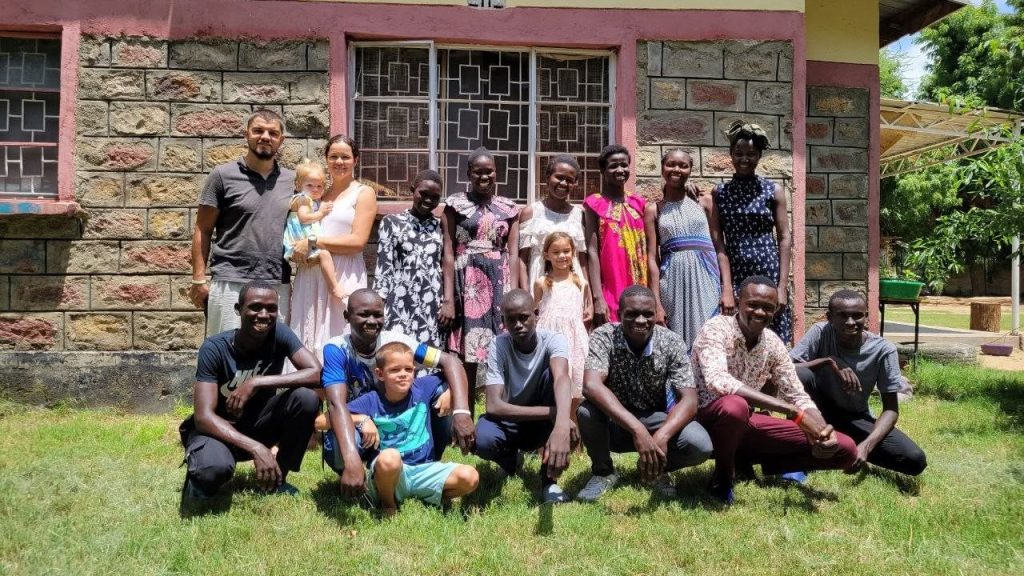
This article is a story about the life and ministry of Volodymyr Yaroshenko, a Ukrainian who has been living in one of the poorest and most remote regions of Kenya — Turkana for more than 13 years. In the interview, Volodymyr sincerely shares his experience of overcoming cultural barriers, fighting dangers and the incredible joy of realizing that he is living his best life, serving people who do not have access to the basic benefits of civilization.
— Volodymyr, tell us what exactly prompted you to leave Ukraine and go to Kenya?
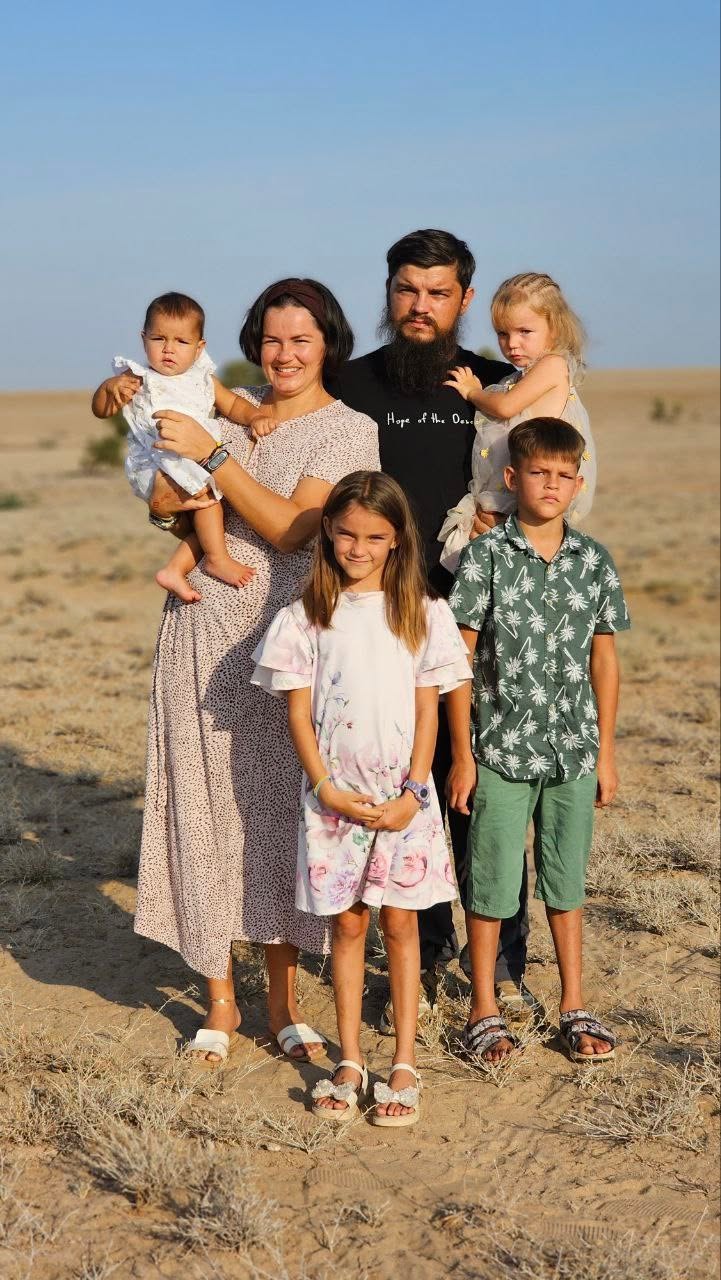
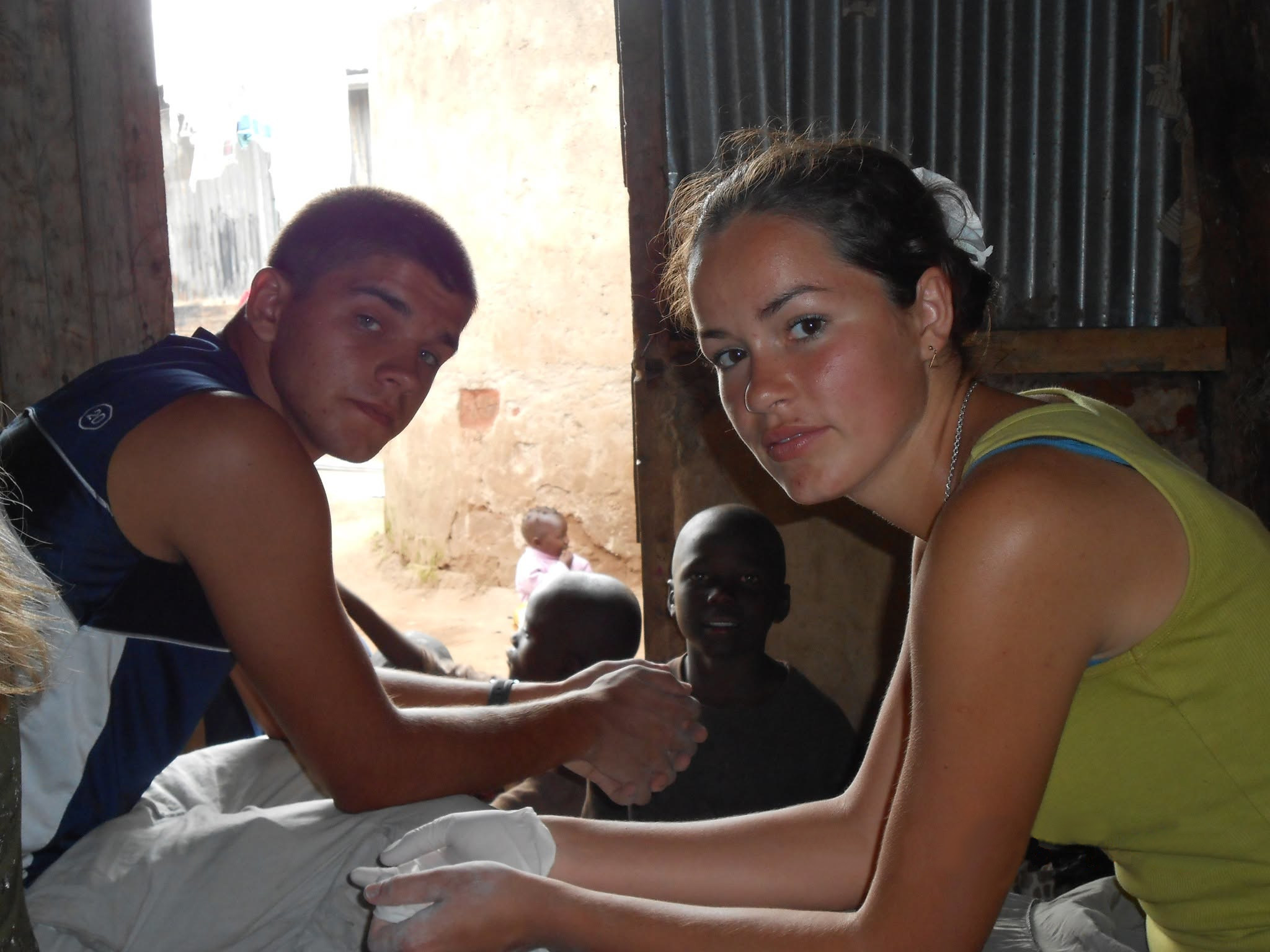
Volodymyr Yaroshenko: Greetings from the hot Equator! You know, I didn’t feel called to missionary work until I got here. I grew up in a believing family, since childhood I was involved in various ministries, but I did not have full inner satisfaction. Once I accidentally got to Africa for two months, and stayed for four — and then I realized that this is what I want to do.
For me, a vocation is defined by three signs: the presence of fruit, the fact that the work turns out, and the fact that it brings pleasure. I am a pragmatic person, and it is important for me to check my feelings from the Bible. I realized that my whole life, love of adventure and wild conditions, was a preparation for this lifestyle.
“You mentioned the wild conditions. What exactly did you have to face in Turkana?
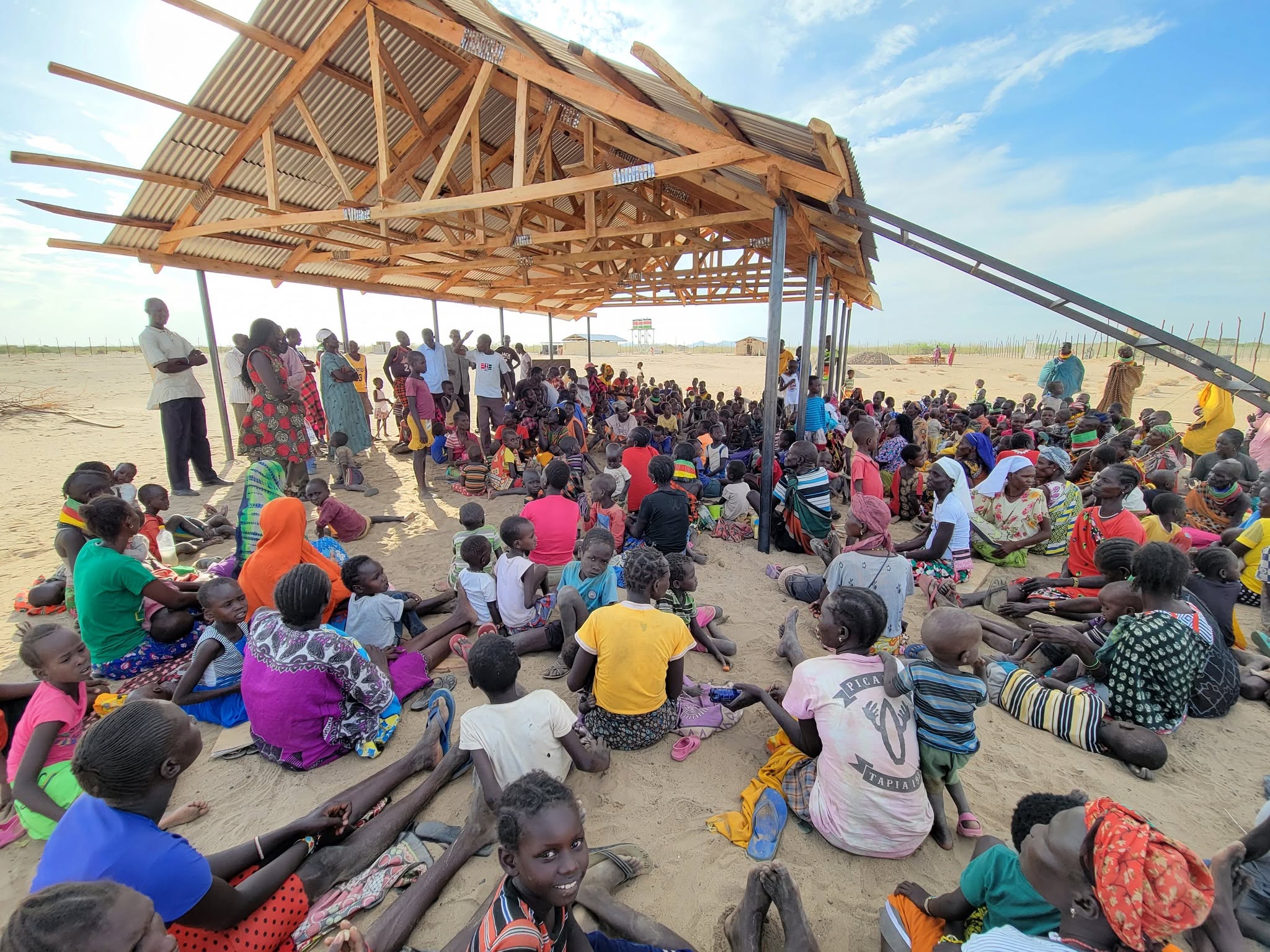
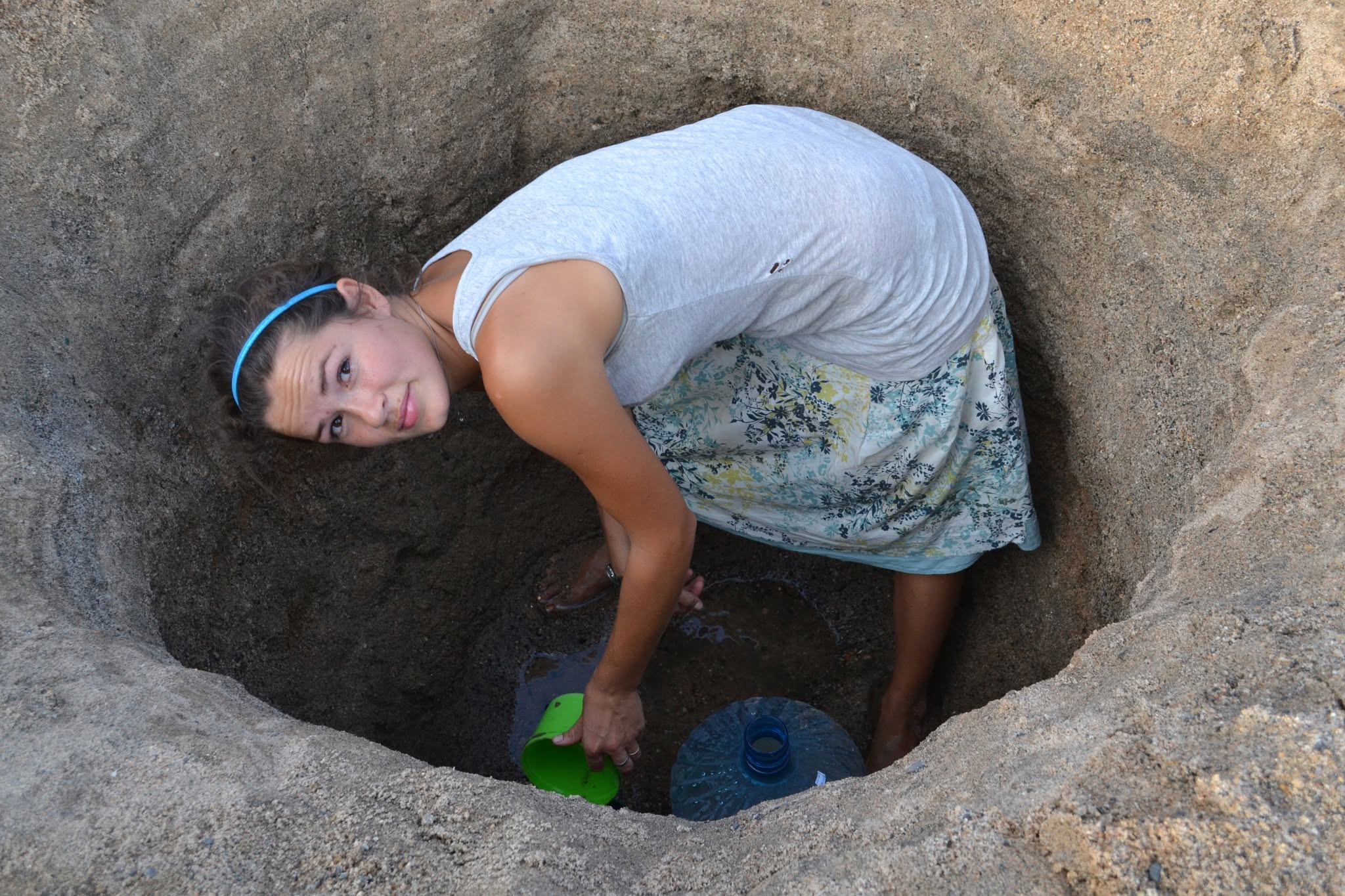
Volodymyr Yaroshenko: Turkana is a very remote region where the heat prevails over 40 degrees, constant sandstorms. When my wife and I first arrived in one of the villages, there was no electricity, no water, no mobile communications, no roads. Most people here are starving, many have not heard the Gospel, and pastors often cannot read or write. We saw a need that we could cover, and this imposed a certain obligation on us.
— How does the local culture differ from ours? What was the hardest thing about adapting?
Volodymyr Yaroshenko: The difference is enormous. For example, local times are cyclical, not linear. They have the phrase: “Tomorrow will be the same day”, so no one is in a hurry. Being two or three hours late is normal. There is also a communal understanding of property: if you don’t need a thing now, but I need it, I can take it, and this is not considered theft.
Another feature is the language of the Turkana tribe. This is the language of idioms, where words do not always have a direct meaning. Without understanding these nuances, it is impossible to understand their train of thought. We had to learn Swahili from scratch by simply pointing to objects: “sand is sand, wood is wood.”
—Is it safe to be a missionary in such a region?
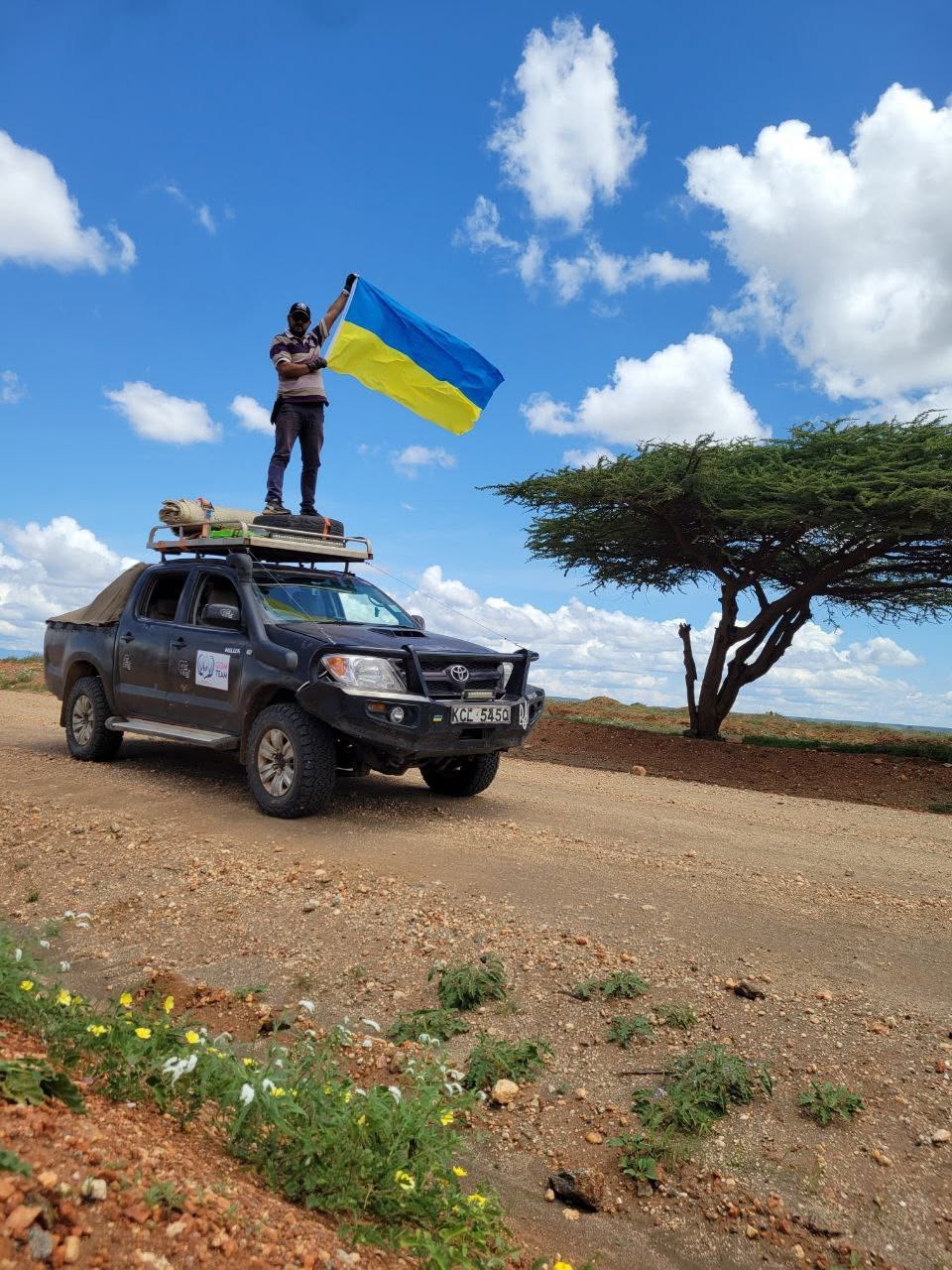
Volodymyr Yaroshenko: Security is a relative concept. In Turkana, there is a danger from armed shepherds from the neighboring Pokot tribe. They fight for livestock, which is their main asset, and can attack cars. There is also a corrupt police force that perceives white people as billionaires who have a printer at home to print money. In addition, there are deadly diseases like malaria. I myself have had it many times, but if you treat it in time, everything will be fine.
— What is your daily ministry?
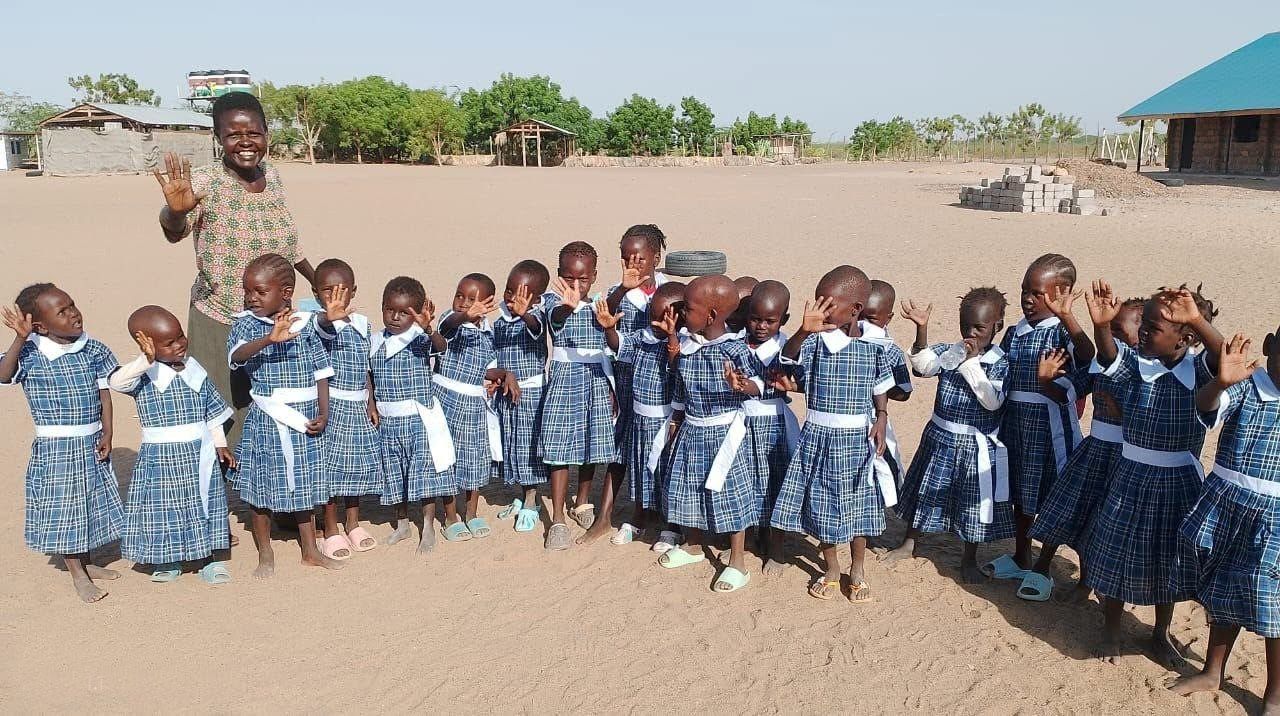
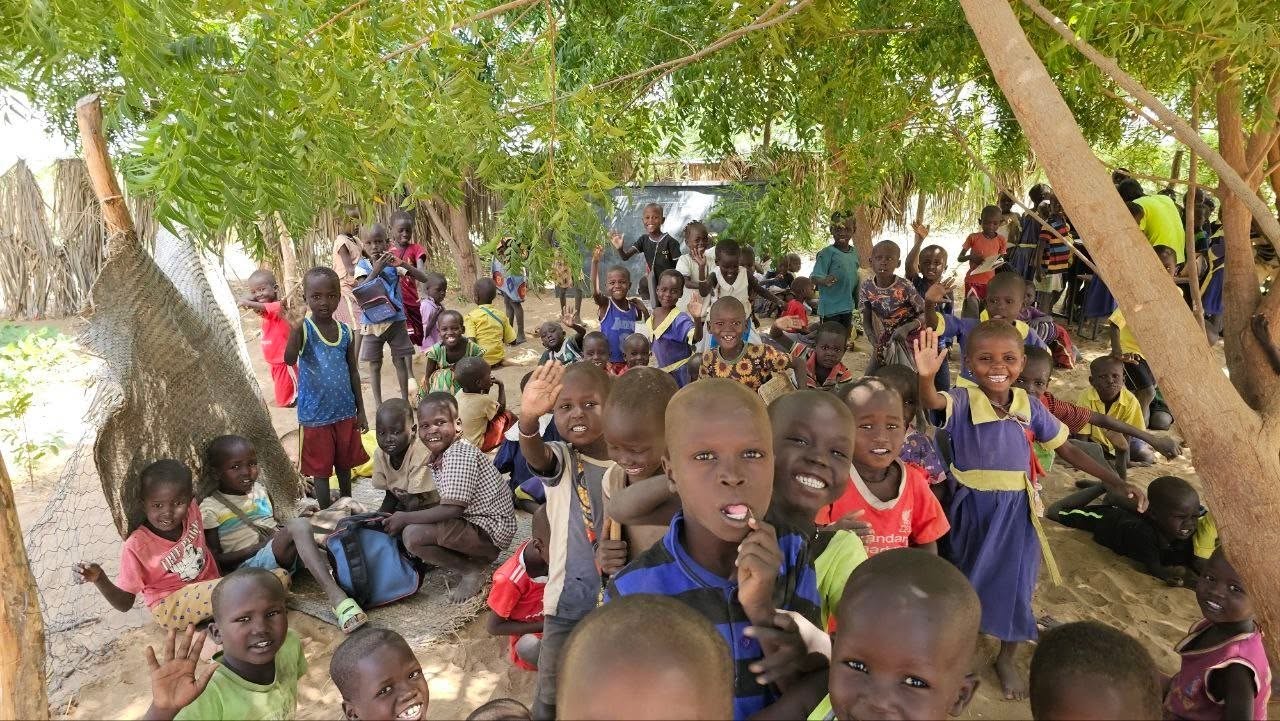
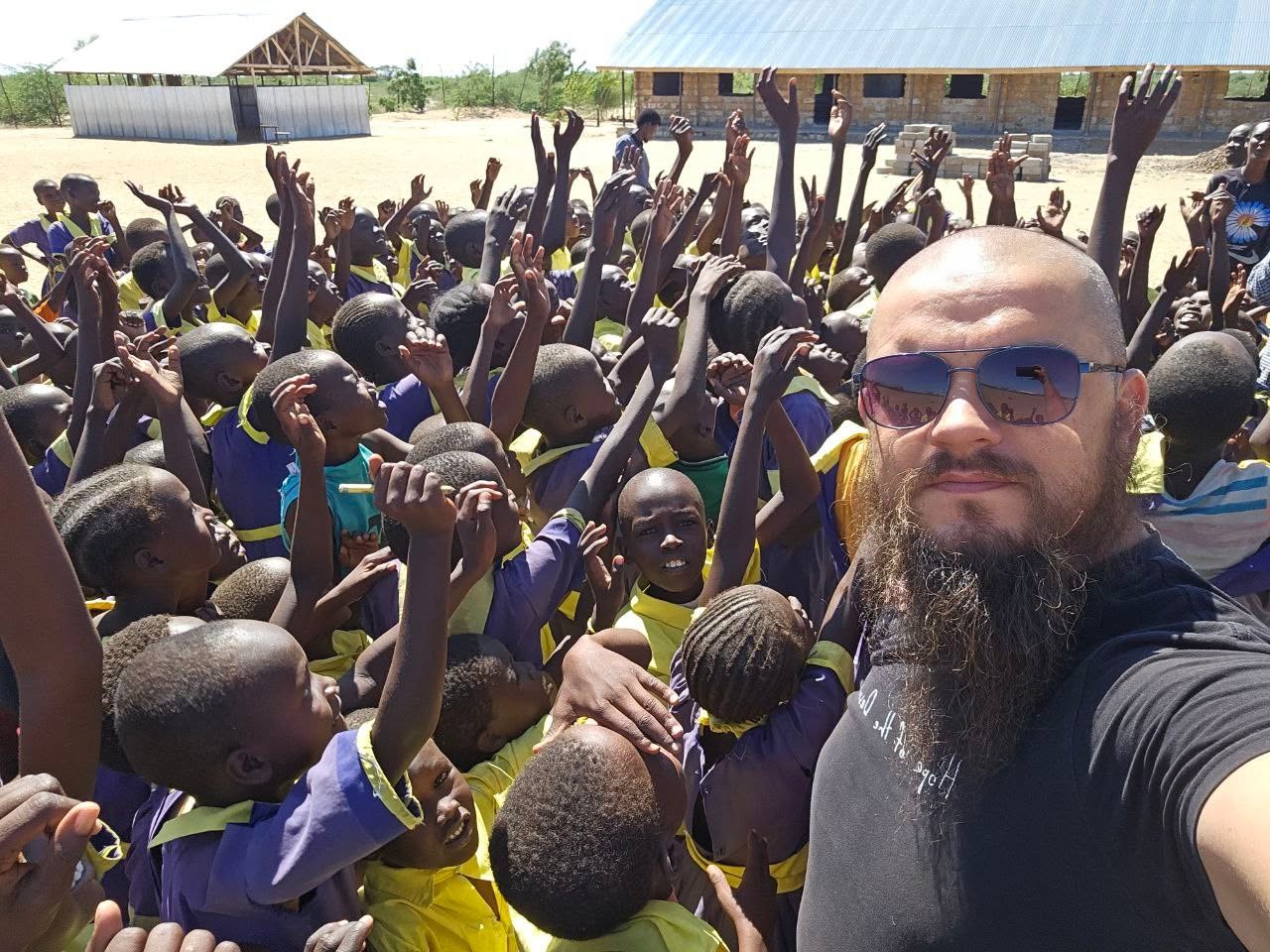
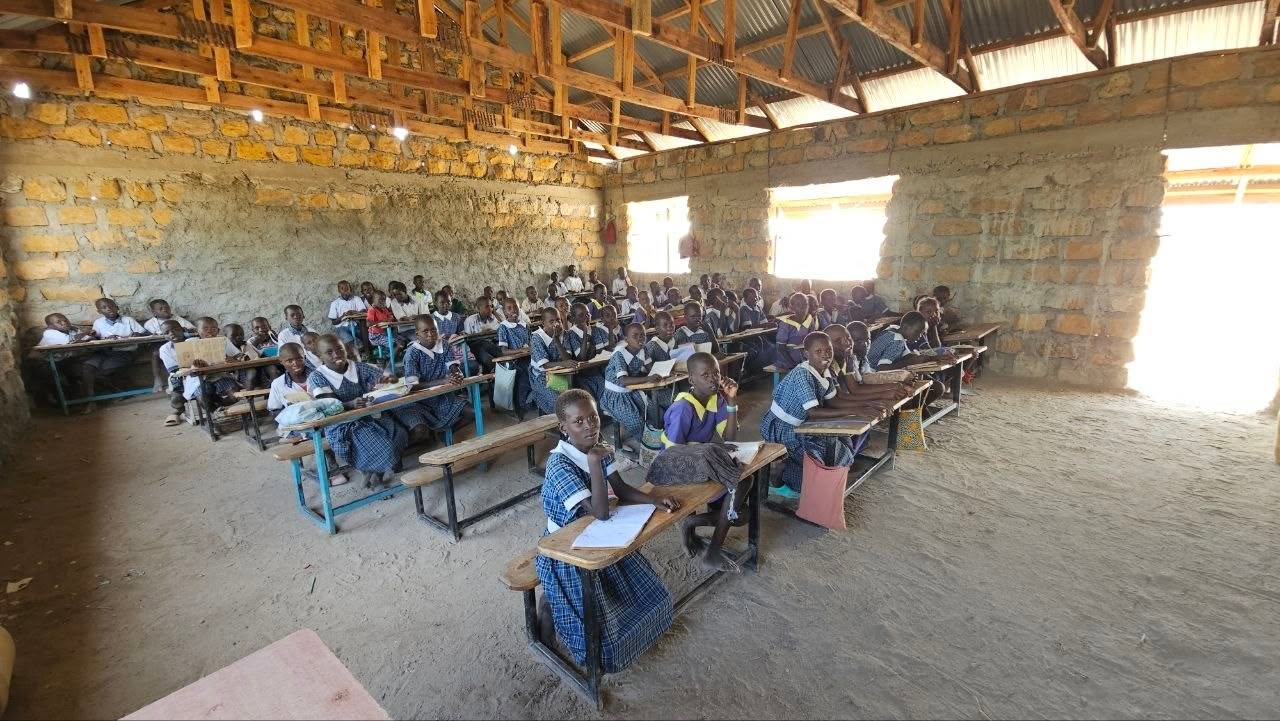
Volodymyr Yaroshenko: Our mission is very diverse. We have a workshop — a workshop where we are engaged in carpentry, welding, and repairing machines. Now we make desks and windows for our new school, where more than 500 children study.
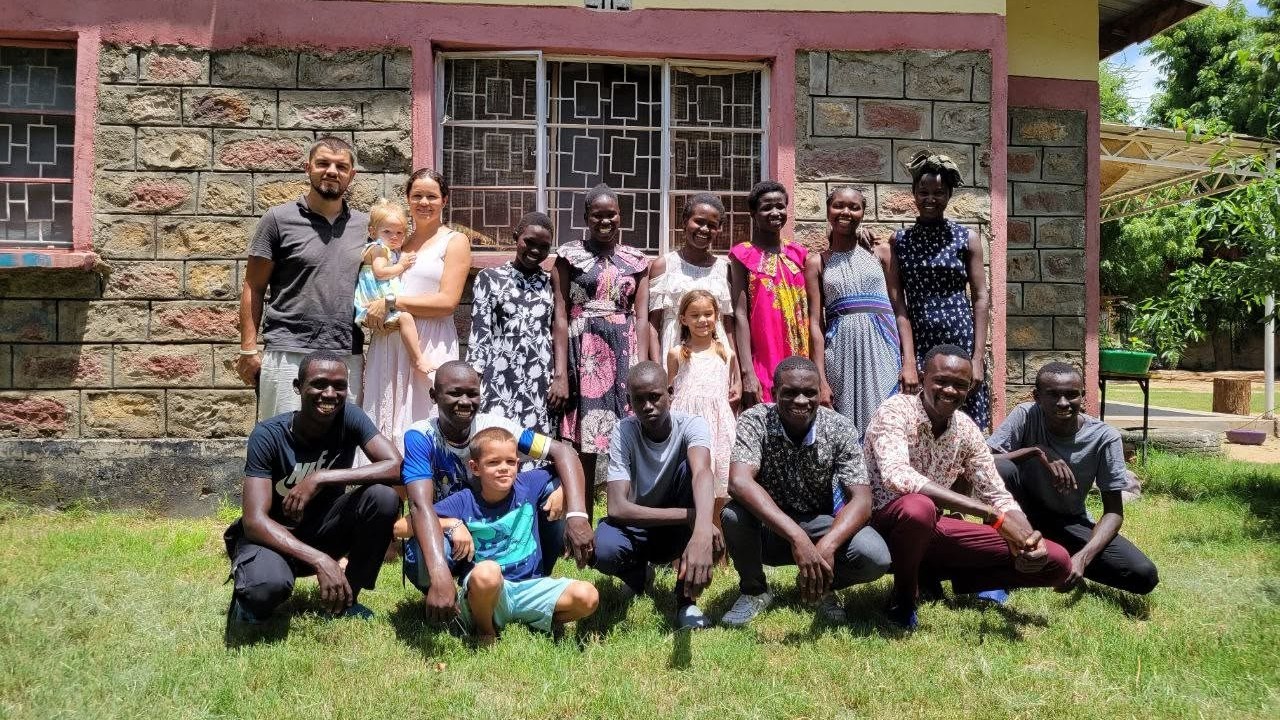
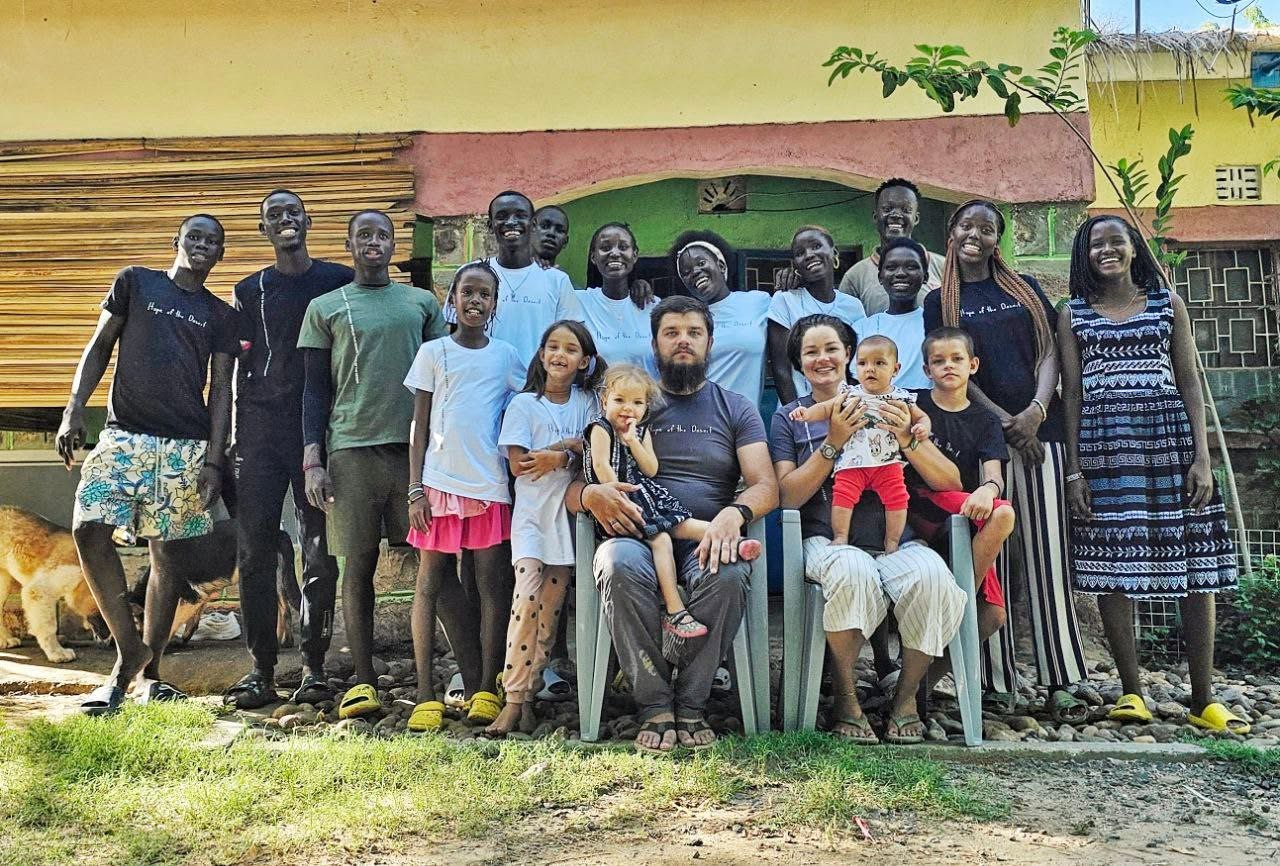
A special part of my life is the 13 local children who live with us almost like our own. I teach them the skill so that they have a profession in the future. We have also helped open more than 10 churches, hold conferences for pastors, and provide them with audio Bibles. My goal is not to be a pastor, but to create disciples who will teach others.
— Can you share a story that illustrates the changes that are taking place thanks to your work?
Volodymyr Yaroshenko: Yes, the story of Nancy’s girlfriend is very revealing. She is one of nine children in a poor family. Under normal circumstances, she would have been married at 14-15 years old to a man much older than her, she would have given birth to a dozen children and carried water from the river all her life. But now she has graduated from school, is learning Ukrainian, studying medicine and dreams of becoming a medical missionary. She saw an example of another, Christian model of the family, where children are hugged and husband and wife love each other. This is a change that will affect future generations.
— Finally, what would you like to wish to Ukrainians who are currently going through difficult trials?
Volodymyr Yaroshenko: Hold on to God and each other. We often underestimate the peace we had and forget that the world lies in evil. But it is important not to give up, pray and keep working. As Jesus says in the Gospel of John, “Peace I leave with you, my peace I give to you… Do not let your heart be troubled and be afraid.”
Watch the full video of the interview with Volodymyr Yaroshenko on the TBN UA channel or in the player below.